
Introduction
Sleep is essential for every child’s health and development. But what if your child snores loudly, wakes up gasping, or seems excessively tired during the day? These can be red flags of sleep apnea in children—a condition that disrupts their breathing during sleep, affecting their rest, energy, and even behavior.
Sleep apnea children often struggle not just with sleeping, but also with concentration, growth, and immune function. The good news? With the right steps—from home strategies to medical guidance—you can make a big difference in your child’s quality of sleep and life.
In this article, we’ll explore what causes sleep apnea in children, the symptoms to watch for, and actionable sleep tips for kids with apnea—including natural remedies, lifestyle changes, and professional treatment options.
What is Sleep Apnea in Children?
Sleep apnea in children is a sleep disorder where breathing repeatedly stops and starts during the night. The most common form is obstructive sleep apnea (OSA), which occurs when the throat muscles intermittently relax and block the airway. Less commonly, central sleep apnea happens when the brain fails to signal the muscles to breathe.
How Common is It? Studies suggest that 1% to 5% of children may experience sleep apnea, but many cases go undiagnosed. Early sleep apnea diagnosis in kids is key to preventing complications.
What Causes Sleep Apnea in Children?
Understanding what causes sleep apnea in children is the first step to managing it effectively. Common causes include:
- Enlarged tonsils and adenoids – These are the leading causes of child sleep apnea and can physically block the airway.
- Obesity – Excess weight can narrow the airway.
- Allergies or chronic nasal congestion – These interfere with airflow.
- Facial or jaw abnormalities – Structural issues may restrict breathing.
- Neuromuscular conditions – Rare but possible contributors to pediatric sleep apnea management.
Sleep Apnea Symptoms in Children
Sleep apnea symptoms in children are often misunderstood or mistaken for behavior problems. Watch for these signs:
Nighttime Symptoms:
- Loud, chronic snoring
- Pauses in breathing
- Restless sleep or frequent awakenings
- Bedwetting
- Night sweats
Daytime Symptoms:
- Excessive daytime sleepiness
- Difficulty concentrating
- Hyperactivity or impulsive behavior (mimicking ADHD)
- Poor school performance
- Morning headaches
If your child shows these signs, consult your pediatrician or sleep specialist. An overnight sleep study (polysomnography) can confirm sleep apnea diagnosis in kids.
Why It’s Important to Treat Sleep Apnea in Children
Ignoring mild sleep apnea in children can lead to:
- Behavioral issues and learning difficulties
- Delayed growth and development
- Heart and blood pressure problems
- Reduced immune function
That’s why helping your child sleep better should be a top priority if they are diagnosed with sleep apnea.
Effective Sleep Tips for Kids with Apnea
Now, let’s get into actionable strategies you can use to improve sleep apnea children outcomes at home.
- Maintain a Healthy Sleep Schedule
Create a consistent bedtime and wake-up time—even on weekends. This helps regulate the body’s natural sleep-wake cycle.
- Create a Sleep-Friendly Environment
- Keep the bedroom dark, cool, and quiet.
- Use white noise if external sounds are disruptive.
- Remove electronic devices that emit blue light and stimulate the brain.
- Elevate the Head of the Bed
Slightly raising the head of the bed can improve airflow and reduce nighttime breathing interruptions in kids’ sleep apnea cases.
- Nasal Saline Rinses or Sprays
If your child suffers allergies or congestion, saline nasal sprays or rinses may help clear the airway and improve sleep. This is one of the simplest home treatments for kids sleep apnea options.
- Encourage Side Sleeping
Sleeping on the back can worsen sleep apnea in children. Teach your child to sleep on their side to keep the airways open.
Lifestyle Changes for Kids with Sleep Apnea
Making everyday lifestyle changes can significantly improve pediatric sleep apnea management.
- Weight Management
If your child is overweight, even modest weight loss can reduce symptoms of sleep apnea in children. Encourage a healthy diet and daily physical activity.
- Allergy Control
Dust mites, pet dander, and seasonal allergies can inflame the airway. Use hypoallergenic bedding and air purifiers to minimize triggers.
- Hydration and Diet
Ensure your child stays hydrated and eats a balanced diet rich in fruits, vegetables, and whole grains. Avoid sugar and heavy meals close to bedtime.
Natural Remedies for Kids Sleep Apnea
While not a replacement for medical care, some natural remedies for kids sleep apnea can be helpful, especially in mild cases:
- Chamomile Tea (for older kids)
Chamomile is calming and can help children fall asleep more easily. Use it with caution and only for children > age 5 under supervision.
- Essential Oils
Lavender oil diffused in the room may help promote deeper sleep.
- Tongue and Throat Exercises (Myofunctional Therapy)
These exercises strengthen airway muscles and have shown promise in improving sleep apnea children conditions.
Supplements to Support Better Sleep
Here are some child-safe supplements that may support helping child sleep better:
- Melatonin – Helps regulate the sleep-wake cycle. Only use under pediatrician supervision.
- Magnesium – Supports muscle relaxation and calmness.
- Omega-3 fatty acids – Support brain and nervous system health, which may benefit children with sleep apnea.
Always consult a pediatrician before starting supplements.
Medical Treatments: Sleep Apnea Treatment in Children
Depending on severity, your doctor may recommend one of the following:
- Tonsillectomy and Adenoidectomy
Surgical removal of enlarged tonsils/adenoids is often the first-line sleep apnea treatment in children and can dramatically reduce symptoms.
- CPAP (Continuous Positive Airway Pressure)
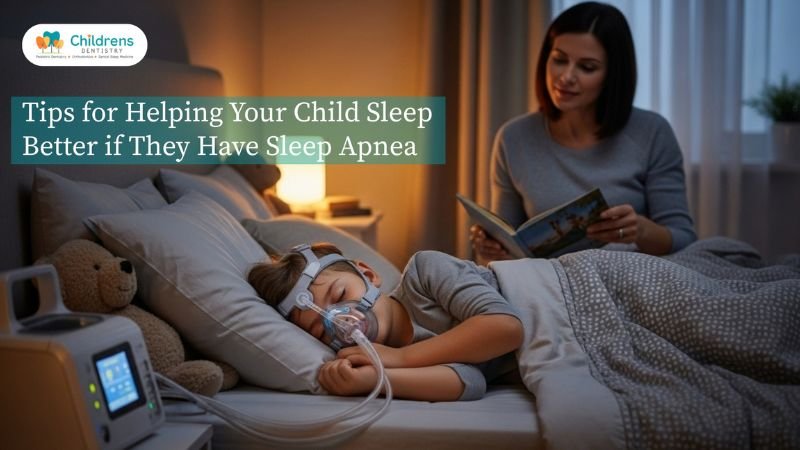
For moderate to severe cases, a CPAP machine helps keep the airway open during sleep. Though it may take time to adjust, it’s highly effective.
- Orthodontic Appliances
Devices like palatal expanders may help widen the airway, especially if structural issues are involved.
- Allergy Medications or Nasal Steroids
In some cases, treating underlying allergies can reduce symptoms of children’s snoring sleep apnea.
Emotional Support and Patience
Dealing with sleep apnea children can be exhausting for parents too. Emotional support, consistency, and gentle encouragement can make a big difference in both your and your child’s experience.
- Encourage open communication about how your child feels.
- Use positive reinforcement to help them stick to sleep routines.
- Celebrate small victories.
Final Thoughts: Helping Your Child Rest Easier
When it comes to child sleep apnea, early recognition and action are crucial. While the idea of sleep apnea in your child may feel overwhelming at first, the combination of natural strategies, lifestyle improvements, and medical treatments can lead to restful nights and healthier days.
From understanding sleep apnea symptoms in children to implementing home treatment for kids sleep apnea, this guide empowers you with tools to make informed decisions.
If you suspect your child may be struggling with sleep apnea, consult your pediatrician or a sleep specialist for a proper diagnosis and care plan. The journey toward better sleep starts with awareness—and it continues with consistent, loving care.