
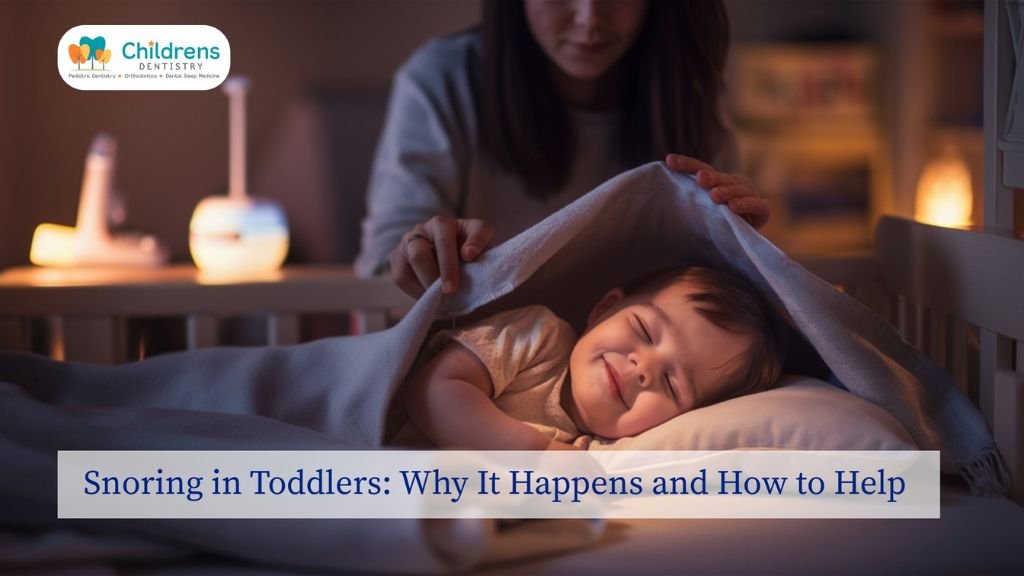
Every parent loves the sound of their kid sleeping peacefully, but sometimes snoring wakes them up. Snoring in toddlers may not seem like a big deal, but it can sometimes mean that they have other problems, such as congestion, big tonsils, or even sleep apnea.
“Is it normal for a 2-year-old to snore?” and “When should I worry about my child snoring?” are questions that parents regularly ask. This all-in-one handbook goes over the causes, treatments, and expert advice that can help your child breathe better and sleep better.
Understanding Why Toddlers Snore
When toddlers snore, they breathe loudly and shake while they sleep. It happens when the upper airway’s airflow is partially stopped. A lot of kids stop snoring as they get older, but if they snore a lot, it could be a sign of something more serious, including allergies, congestion, or sleep apnea.
The American Academy of Pediatrics says that 10% to 12% of kids snore all the time. A lot of parents in India, the US, and the UK say their toddlers snore after they get the flu or a cold. In Canada and Europe, seasonal allergies are a big reason why toddlers snore.
Why Do Toddlers Snore?
If your toddler snores from time to time, here are some safe and helpful things you can do:
- Make the Air Better
- Use the finest humidifier for child congestion to keep the nasal passages wet.
- Make sure the bedroom is free of dust, and if you live in an area with a lot of pollution, think about getting an air purifier.
- Change the Way You Sleep
Tell your toddler to sleep on their side instead of on their back. A supportive cushion, like the best pillow for toddlers to sleep on, can assist in keeping your body in the right position.
- Get Rid of a Congested Nose
You can use a home cure for a child with a stuffy nose, such as saline sprays, steam inhalation, or warm baths.
- Give them a lot of fluids to help thin the mucus.
- Keep an Eye on Your Diet and Way of Life
Certain food allergies might make congestion worse. Also, don’t eat large meals late at night that keep you awake.
If your child is a finicky eater, try making unique toddler dishes that use fruits, veggies, and lean proteins to enhance their immune system.
- Make Sleep Habits That Are Good for You
At 2 years old, a regular sleep pattern for toddlers can help them sleep better overall. If you don’t stick to a regular schedule, your child may have trouble sleeping at night and have trouble sleeping during the day.

Is It Normal for a 2-Year-Old to Snore?
Yes, light and occasional snoring can be normal in 2-year-olds. For example, if your child snores after a cold or when teething, it’s usually temporary. However:
If snoring happens most nights,
- If your toddler pauses breathing or gasps for air,
- Or if you see unusual restlessness during sleep,
It could be one of the signs of sleep apnea in children. This requires medical evaluation by a pediatrician or ENT.
How to Stop a Toddler from Snoring: Home Remedies and Tips
If your toddler snores occasionally, here are safe and effective ways to help:
- Improve Air Quality
- Use the best humidifier for toddler congestion to keep nasal passages moist.
- Keep the bedroom dust-free and consider air purifiers if your region has high pollution.
- Adjust Sleeping Position
Encourage your toddler to sleep on their side instead of their back. A supportive pillow, like the best pillow for toddler sleep, can help maintain proper alignment.
- Relieve Nasal Congestion
- Use a home remedy for stuffy nose toddler such as saline sprays, steam inhalation, or warm baths.
- Offer plenty of fluids to thin mucus.
- Monitor Diet and Lifestyle
Congestion can worsen with certain food sensitivities. Also, avoid late heavy meals that disrupt sleep. If your child is a picky eater, try creative picky eater toddler recipes that boost immunity with fruits, vegetables, and lean proteins.
- Build Healthy Sleep Routines
A consistent toddler sleep schedule at 2 years old can improve overall sleep quality. Irregular schedules may worsen toddler sleep regression at 18 months and lead to restless nights.
When to Worry About Child Snoring
Persistent or loud snoring should not be ignored. Seek medical advice if:
- Snoring happens every night.
- There are pauses in breathing or gasping.
- Your child has daytime fatigue or behavioral issues.
- Snoring is accompanied by frequent infections like tonsillitis.
In some cases, a pediatric dentist in Hyderabad or ENT specialist may recommend evaluating airway development. Dental professionals can also detect early signs of sleep-disordered breathing.
Baby Snoring vs. Normal Breathing
Parents often confuse baby snoring vs normal breathing. Babies and toddlers sometimes make soft noises while sleeping, but true snoring involves vibration of airway tissues. If the sound is regular, deep, and disruptive, it should be monitored.
Beyond Snoring: Supporting Your Toddler’s Health
While snoring might seem like the main concern, toddler sleep and health involve many factors:
Building Resilience
Parents often wonder how to raise a resilient child. The answer lies in balanced routines—healthy sleep, nutrition, and sensory activities.
Sensory Play Benefits
Engaging in sensory activities not only calms toddlers but also improves sleep patterns. The benefits of sensory play for toddlers include better focus, creativity, and emotional regulation.
Dental Care Connection
Sometimes, mouth breathing and snoring are linked to oral health. Regular visits to a kids dental clinic in Hyderabad or the best pediatric dentist in Hyderabad can ensure proper airway and dental development.
Global Perspective: Toddler Snoring Around the World
- USA & UK: Pediatricians often recommend sleep studies if snoring in toddlers is persistent, to rule out sleep apnea.
- India: Parents in Hyderabad frequently consult the best pediatric dentist in Hyderabad for sleep and oral health concerns.
- Australia & Canada: Humidifiers and allergen-proof bedding are widely suggested for toddler snoring after flu.
Questions and Answers About Toddlers Who Snore
- Is it usual for a two-year-old to snore?
It’s common to snore from time to time, especially when you have a cold or allergies. If you snore loudly all the time, you might need to see a doctor. - How can I stop my toddler from snoring?
Try using a humidifier, saline sprays, sleeping on your side, and keeping a regular sleep schedule. - Can children snore when they are teething?
Yes, irritation and too much saliva during teething might cause snoring for a short time. - When should I be concerned about my child’s snoring?
If your child snores every night, stops breathing, or is tired during the day, you should see a pediatrician or dentist. - What’s the difference between a baby snoring and breathing normally?
When you breathe normally, your breath is gentle and steady. When you snore, your airway is blocked, which makes a constant vibrating sound.
Final Thoughts on Toddler Snoring and Healthy Sleep
Snoring in toddlers might be an indication of sleep apnea or airway blockage, or it can just be a sign of nasal congestion. Home cures like humidifiers, saline sprays, and better sleep habits can help, but you should never dismiss symptoms that don’t go away.
Regular visits to a pediatric dentist or doctor near me help find problems early on. It’s just as important to help your toddler’s general health by giving them healthy meals according to a schedule, letting them play with their senses, and helping them establish resilience as it is to stop them from snoring.
With proper care, your child can sleep well and be healthy. For more information, visit the best dental care centers, top kids dental clinics, and explore children’s dentistry and children dental care services to ensure complete wellbeing.
Disclaimer
This article is for informational purposes only and should not replace medical advice. If your toddler snores regularly or shows signs of sleep apnea, consult a pediatrician or pediatric dentist for professional evaluation and treatment.